AVIARIES

Premium Quality Handraised Green Cheeked Conures, Quakers & Bourke's Parrots
in Brisbane, Queensland
the importance of
self care
As owners of companion parrots it is our responsibility and privilege to facilitate expression of their natural behaviours like bathing, foraging, socialising and so much more. A bird in captivity for the most part relies on us to encourage and provide the tools they need to maintain peak health in the best way possible. If the conditions in our homes or facilities are not sufficient, their quality of life suffers as it affects both their mental and physical well-being.
Jump to:
Bathing
Why Is Bathing Important?
Allowing opportunity for your parrot to bathe in clean water is not only enjoyable to watch but essential for their health for so many reasons!
Feather Maintenance - Bathing helps them to reset their feathers, removing residual dust, dirt, food and oils from being handled. In turn, this helps their feathers to hold heat better and aligned properly for efficient flight
Thermoregulation - Birds are not able to cool themselves down by sweating, so they raise their wings from their body and pant. By bathing in water, they are able to bring their body temperature down to safer levels
Moulting - It helps them to loosen the keratin sheaths that come through on new feathers, making it easier for them to preen and feel more comfortable
Socialisation - Often bathing is a group sport: we see this a lot with our babies - one jumps in for a bath and all of a sudden all their friends are in there too! In the wild, they would spend their time preening eachother after a bathing session
Enrichment - They also really just love to have a bath, and find it fun!
Oil Distribution - When birds heavily preen after a bath, they are distributing oil from their preen gland (uropygial gland) located on their rump above their tail feathers. This oil is important for water resistance
Parasite Control - This is more relevant to wild birds, but still a fascinating mechanism to include!
What is Bathing Behaviour?
It is important to establish what is and isn't typical bathing behaviour that we can observe, and when to pull back on our encouragement. By creating phrases like "want a bath?" or "come for a bath!" we can build an association that the word bath means they get to experience the water. This simplifies the communication between you and your bird, and also helps to form a routine of sorts that they can come to love and predict.
By reading their body language, we can usually see an indication of how comfortable they are feeling, and misjudging or ignoring certain signs can very easily cause sickness, injury or even death. A willing participant will likely vocalise in excitement and rush to investigate whatever you're holding. With a new container or if they haven't bathed before, it is natural that they would be weary or even frightened; so go slowly and don't push them to bathe if they are showing hesitation.
Indicators to watch for include:
-
Yes: Feathers fluffed out, pacing back and forth to get into the container, excited
-
Yes: Dipping head in and under the water, wings out, body ruffling
-
Yes: Feathers fluffed out, wings outstretched and often head down if misted with a sprayer bottle
-
No: Head tipped up, repeated blinking and sneezing
-
No: Not moving around in the water, just standing still or facing in a corner
These two videos (ems_birds, morgansbirbs) highlight the stark difference between what abnormal bathing looks like versus a normal, confident parrot.
Bathing in a dish or tray
Most conures and quakers love to "swim" in a shallow container or tray. Use a low-sided dish filled 2-4cm deep with cool water that they are able to climb in and out of without help. All that flapping will make quite a mess, so pop your container on a towel or puppy pee pad to catch the excess water. You can use really any plastic or ceramic dish or container, such as a Tupperware/Decor/Sistema food container, pet bowls, shallow ceramic bowls or dishes, or even designated electronic bird baths which cycle the water through a tap. We have listed a few options at the bottom of this section.
The trickling sound of water is quick to set off their instincts to bathe, so be mindful when washing dishes that they can't jump into hot water. We keep a small Decor container on the kitchen sink to fill up when we let our birds out, that they have learned is just for them. A swish of the hand in the water to entice them to come investigate, especially when using a new container, is usually enough to provoke their curiosity.
Bathing by a mister bottle
Some parrots like cockatoos, cockatiels and Bourke's prefer to be misted, rather than dunk themselves under the water. Use a large bottle with spray nozzle, that hasn't been used previously for any chemicals. These kinds of spray bottles are cheaply found in Woolworths or Bunnings, so a new and dedicated bottle really is best. Label it clearly to avoid any mishaps, so it is only used for bird bathing purposes. Fill the bottle with cool water and spray on a fine mist setting; and if they are in the mood for a bath, should open out their wings and fluff out their feathers to allow the water to mist in.
Bathing Inside the Cage
Your parrot might like to bath inside their cage in their water dish, even if you think they might not fit inside it! Make sure that you are changing out their water daily, or provide a second larger container they might prefer to bath in instead. If they are bathing inside their cage you will have to be mindful to clean out the bottom tray regularly, as the dropped food and faeces sitting in water will mould quickly, start to smell and attract flies, ants and other bugs.
Going into the Shower
Another option is bringing them into the bathroom to shower with us, however this may not be received as eagerly as you might think. Our showers have forceful jets and create a lot of noise, making it something that they are naturally fearful of instead of curious. You should never place your bird into the bottom of the shower; the water pressure is too strong and floods their little bodies with water. It is extremely dangerous and potentially fatal when they end up with water in their nostrils and into their air sacs (a death sentence), essentially "waterboarding" your parrot.
Instead, take them at their own pace when introducing them to your showering routine. They might like to sit on the curtain rail, glass panel or shelf, simply enjoying the increased humidity and proximity to you. Our conure loves to sit on the top of the shower head, tapping his reflection with his beak and muttering away to himself. Don't use any shampoo, bodywash, facewash, toothpaste etc within reach of your bird, as that can cause poisoning if they ingest it, get it in their eyes or get it on their feathers and ingest later via preening. Water is more than enough to clean your birds feathers, and the soft mist being reflected onto them from the walls or our body.
It is important to remember that even if it doesn't meet our expectation of how we believe they should bathe, it can still be a very enriching experience to shower with us. Move slowly, speak calmly and be patient while teaching them that they can trust us to keep them safe in such a vulnerable position.
Drying off
If you've ever seen a parrot having a bath, it really is quite the sight to behold! Quite similar to a waterlogged rat with wings, honestly! After a vigorous self-dunking, they will be dripping with water and won't be able to fly very well. In this stage they are a bit more vulnerable and likely to hurt themselves if they try to take off. It is best to pop them on a play stand or back in their cage to dry off, and make sure that the ambient temperature isn't too cold for them.
It is normal for them to shiver, this mechanism is just their body producing the body heat which expands out their feathers to dry off faster. However, they should still be kept warm and out of draughts. You might be tempted to think you need to dry them off with a hairdryer, but it really isn't necessary. A hairdryer can easily burn or scare them, so can be too risky. As they dry off naturally, they will busy themselves preening and realigning all their feathers.
Some products we recommend as a designated indoor parrot bath:

SENSORY PLAY TRAY
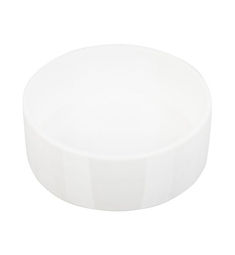
CERAMIC PET BOWL

ELECTRONIC BIRD BATH

ACRYLIC BIRD BATH
Sunshine and UV lighting
Why is Sunlight Important?
While the main benefit of sunlight (ultraviolet light) is to stimulate Vitamin D production, it also has many other benefits (for birds and humans, alike!) like regulating sleep cycles and mood, boosting immune function, lowering blood pressure and killing off potential bacteria and pathogens which cause infections. Modern homes with darkened windows can make it challenging to ensure your parrot is receiving adequate vitamin D to metabolise the calcium they consume in their diet. As they absorb sunlight their body then converts it to a useable form within the liver and kidneys. Unfortunately, glass windows block most of the sun's UVB rays, but still allows 45-75% UVA rays to pass through. The best way to absorb Vitamin D and UV rays is always going to be through direct sunlight.
What is Vitamin D?
Vitamin D is a vitamin that is absorbed in sunlight through the skin; an essential process which regulates calcium production and immune function. It acts like a hormone which helps cells and organs to function properly, and is required to absorb other nutrients which are essential for growing and maintaining healthy bones (such as phosphorous and calcium). Without a healthy level of Vitamin D and calcium, your parrots bones can become weak and brittle, and start negatively affecting their blood health too (red blood cells are produced in the red bone marrow, liver and spleen).
Symptoms of Vitamin D Deficiency
Vitamin D deficiency is a very serious issue which should be dealt with promptly before it becomes potentially fatal. Some symptoms that may indicate your bird is not getting enough Vitamin D include weak bones (increased risk of fractures and subsequent difficulty healing), flakey or damaged beaks, reduced feather quality (thin, dull), difficulty perching, lethargy and unwillingness to explore their cage, and thinner shelled eggs in hens. In severe cases there is risk of paralysis and death.
What is Calcium?
When we consider calcium, we often think of bones and teeth. But calcium also plays an important role in many other bodily functions as well, like contracting muscles and making sure blood vessels contract properly. While most of a parrot's calcium is stored within the skeletal long bones, a small amount is also found in the bloodstream and muscles. Birds generally have a higher calcium percentage found in the muscles compared to mammals to account for the need for flight and their higher metabolism.
Sources of calcium include supplements (liquid or powder, see below for product recommendations), pumice perches (chalky, not sandpaper ones), dark leafy green vegetables (such as kale, spinach, mustard greens, pak choy), cuttlefish bones and fortified pellets. However, you can be providing enough dietary calcium but still be causing a deficiency if your parrot does not have access to sunlight and are able to metabolise the calcium they have consumed. Prevention is most definitely better than the cure.
Symptoms of Calcium Deficiency
When we think of calcium deficiency, two things often come to mind: egg binding and osteoporosis (break down of internal bone structure reducing bone density). It presents itself in systems related to bone and muscle function: issues with flight and coordination, weakness and abnormality in perching stance, seizures and altered mood (aggressive behaviour). A hen which is egg bound lacks the appropriate level of calcium in the muscles to contract and expel the egg, and if not treated urgently will lead to death quickly.
UVB/UVA/Full Spectrum Lighting Kits
In places that have less access to natural sunlight, like longer winters or inclement weather, another option is to use Full Spectrum UV Bird Lighting, like Arcadia. They work by emitting UVA and UVB rays which can be absorbed by your bird through the cage, however they are not as strong as natural sunlight. There is conflicting information online as to the required distance from light to bird to actually be making enough of a difference. There are also reports of the bright lighting causing cataracts in birds as well, which proves this new innovation requires a lot more research before committing to it. The best solution to this issue is simply to schedule time into your life to give your bird access to natural sunlight each week.
Walks and Outdoor Time
Ideally, your parrot should receive a minimum of 15 minutes of direct outdoor sunlight 3 times a week. If worked into your routine it can provide a great opportunity for bonding and trust building. It is important not to leave them unattended outdoors without adequate protection from predators (hawks and butcherbirds will pull them through the cage bars, snakes, etc), but here are some ideas for getting more sunshine with your bird:
-
Sitting outside in the morning/afternoon in a small carry cage, paired with a tasty snack while you have your cuppa
-
Going for a walk outside in a backpack (cloth ones are best, that aren't darkened), or even sitting in a small cage while you are in the garden
-
An outdoor aviary or patio aviary - be mindful of transfers to avoid escapes or consider adding a double door system (examples: VidaXL, EasyShed, AviOne, VidaXL etc)
-
An outdoor space, either stand alone or enclosed into an existing structure like a patio or verandah (eg: Catnets, I would recommend the reinforced stainless steel version)
-
Small aviary or cage attached to side of the house with window access, easy to pop bird through safely, or one of the aviary systems above secured to the house exit so you can sit in there with them (easy to purchase materials like welded sheet mesh from Bunnings)
-
Wheeling a cage outside - secure all doors with clips, remove external feeders like Seed Mates/acrylic box feeders and water baths, and never leave unattended
Supplements
We recommend you add a supplement once or twice a week to your bird's diet, to ensure you are covering the dietary need for vitamin D and calcium. These can be found in liquid or powder form, and some have additional vitamins and minerals which are a great supplement to a varied diet. Below are some easily obtainable products:
Passwell Liquid Gold (liquid)
-
Dosage: 20mL/L in drinking water, 40mL/kg of soaked seed or soft food, direct to beak dose 0.2mL/100g body weight (0.14mL for conures or 0.19mL for quakers
-
Active Ingredients: Calcium (Ca2+) 33g/L, Magnesium (Mg2+) 1.6g/L, Manganese (Mn2+) 100mg/L, Vitamin D3 25000iu/L, Lutein 50mg/L
Vetafarm Soluvite D (powder)
-
Dosage in water: 4g into 40mL of warm water (30°C – 40°C), stir well to dissolve. Then add the mixed 40mL solution to 360mL of drinking water. Prepared water should not be exposed to direct sunlight. Use as the sole source of water and prepare fresh solution daily.
-
Dosage in food: Sprinkle 4g of Soluvite D onto 4 cups of food and combine well.
-
Active Ingredients: Vitamin A 1,000,000 IU, Vitamin D3 250,000 IU, Vitamin E 2,500 IU, Vitamin K 2,000mg, Niacin 5,000mg, Pantothenic Acid 1,242mg, Riboflavin 1,200mg, Thiamine 470mg, Pyridoxine 400mg, Cyanocobalamin (B12) 5mg, Folic Acid 225mg, Choline Bitartrate 40mg, Biotin 10mg, Iodine 200mg
Vetafarm Calcivet (liquid)
-
Dosage: 5mL per 250mL water (1 tsp per cup), 5mL/1 cup soaked seed or soft food, direct to beak 0.2mL (4 drops) per 100g body weight
-
Active Ingredients: Calcium 33g, Vitamin D3 25,000 IU
Vetafarm D Nutrical (powder)
-
Use twice weekly for maintenance and daily during breeding.
-
Introductory Dosage: Start with a dose of 5g per kg of feed and gradually increase to 20g over 6 feeds.
-
Maintenance Dosage: Add 20g per kg of food to boost active calcium levels.
-
Active Ingredients: 310mg Calcium (31%), Vitamins A, B1, B2, B3, B5, B6, B9, B12, C, D3, and E, Phosphorus, Sodium, Iodine, Potassium, Iron, Cobalt, Copper, Magnesium and Manganese.
Calcivite Plus (liquid)
-
Dosage: 5–10ml per 1L of drinking water
-
Active Ingredients: Calcium as Calcium proteinate 33g/1L, Vitamin D3 25,000 IU/L, Magnesium Sulphate 0.5g/1L
nail Trimming
Baby birds have needle sharp points on their toenails to help them perch, and not fall and injure themselves, but this means we end up with our hands, shoulders and arms spotted in tiny scratches. Clipping their toenails at home is relatively easy, provided you take the time to learn the anatomy of the nail to avoid causing injury. Majority of the nail length is actually vascularised (meaning blood-filled) tissue, with a plethora of nerves surrounded in a hard keratin coating. The inner section with blood and nerve endings is called the quick, and if the nail is trimmed too short, this causes pain and profuse bleeding that can be hard to get under control. Natural branches and pumice perches are a good addition to keeping the nail tips a little blunter, but avoid using any products with sandpaper or grit-style perches or perch covers. These are far too abrasive for their feet, and cause microcuts leading to sores and infection. Ultimately, being able to care for your bird's toenails at home with simple tools is a fantastic skill to have.
How do I know when its time to trim?
As the nail grows longer, the curvature of the tip will increase, and if left to continue downwards we start to see it hindering their ability to walk on flat surfaces with correct posture. With the foot flat on a bench or table, you will be able to see if each digit is able to maintain flat contact with the table. If the tip of the nail is starting to pull the end of the toe up and away from the surface and they are walking on the nail tip, they are overdue for a nail trim.
We recommend including nail trims as part of your regular training rotation to continue desensitisation and create a more willing participant without fear or aggression. Even monthly trim sessions of just a few minutes to remove the tiniest sharp point will do well for keeping them familiar with the process, as well as conditioning them for any vet visits where handling is required.
How do I trim nails?
There are a handful of different tools you can use to trim toe nails to suit your comfort level, and your ability to safely hold them while trimming. It might be useful to have a second set of hands for securing the bird so you can focus just on clipping each nail. When holding them, be mindful not to press on their chest, abdomen or throat or you will risk suffocating them with too tight a grip. You can use a towel to restrain them and partially cover their head if needed.
You can use:
-
Emery board / nail file (good for more frequent maintenance, taking a small amount at a time)
-
Nail clippers (regular manicure type, or smaller baby clippers)
-
Cat claw clippers (smaller than dog clippers)
-
Dremel tool with small sanding wheels (advanced, definitely recruit a friend to help you, more suited to larger birds like macaws)
Make sure your clippers are sharp, and able to take a clean slice; if you need two or three goes at it, throw them away and use a new set. Blunt clippers crush the nail tip rather than cutting across it, leaving microcracks that run vertically up the nail and increase the risk of injury or infection. Take your time, making small clips and assessing as you go so that you don't cut too high into the quick.
If the toenail starts to bleed, you have cut too high into the blood supply. Do not panic, and do not let the bird fly around the room. As with humans, a higher heart rate (from flying) will pump the blood out faster. Keep your bird calm and still, then apply and hold firm pressure with a clean tissue, and check after 5 minutes to see if the nail has coagulated and stopped bleeding. If it has, great job. If it hasn't, you will need to add either corn flour, styptic powder or gel liberally. These work by absorbing the moisture, drying out the wound and constricting the blood vessels in that area. Styptic powder is available online from many places such as iHerb, Amazon, eBay or grooming supply stores. I find the powder more effective than the gel, but corn flour (or even regular flour) works quite well if you don't have styptic powder on hand.
To apply the corn flour or styptic powder, take a decent pinch and hold it firmly on the nail. Hold for 5-10 minutes, and check again. You might need to repeat and hold again, sometimes with a larger bleed it may need to be held for upwards of an hour. However, if you cannot stop the bleeding after an hour of holding pressure, or your bird is losing a significant amount of blood, please visit an emergency vet.
Moulting
Moulting is a natural process that your parrot will experience usually twice a year, where they will drop their old feathers and new ones grow in their place. This process will take from a few weeks to up to a few months, losing a few at a time from each area of the body to avoid bald patches and be still able to fly capably. (Fun fact: did you know that as the flight feathers moult, the matching flights from both wings are lost at the same time?) You will notice a lot more 'fluffies' on the floor than usual, blowing about the house and they'll look a bit rough and worse for wear. As the older, dull and worn feathers are replaced by new, shiny straight ones, they will spend more time preening themselves than they usually do.
The new feathers are coated in a white, waxy keratin casing called a feather sheath. A bird in active moult will have little white "lines" poking through their regular feathers, and they will be a lot dustier. The new feather filaments are enclosed with a blood supply which nourishes the developing feather for a few weeks. As the feather grows out to the final length, the outer keratin coating flakes off as they preen themselves.
How often do they moult?
From my experience, they will usually go through two moults a year; in autumn and spring. One is usually a larger moult and one smaller. Babies tend to go through their first moult at about 4.5-5 months old.
What can I do to help them?
Bathing
Bathing is a great way to assist your bird through their moult, by continuing to offer bathing opportunities and even time in the steamy bathroom with increased humidity. If the pin feather sheaths become too dry, it can cause a deformity as the feather struggles to uncurl and develop normally and will require to be removed.
Help With Pinnies
The pin feathers on the back of their neck and on top of their head are tough for them to reach themselves, and some birds might appreciate some gentle human assistance, but some may not. Read your bird's body language and be prepared to back off if they start to get a bit cranky. Pin feathers are uncomfortable and itchy for them, so don't be alarmed if your parrot seems a bit cranky or moody while they go through a moult. Even if your normally snuggly and smoochy bird is temporarily avoiding your touch, try not to take it personally. If they do let you touch their pin feathers, you can carefully crack the casing between your fingernails or fingertips. Move slowly and try to stay only at the tips, as the base may still have a connected blood supply and cause pain or bleeding if preened too low on the shaft.
Extra Care and Comfort
A highly nutritious diet and plenty of rest will do wonders to assist your bird through their moult, and of course plenty of patience. Moulting can be quite a stressful experience for them, so offer more quiet time (you may like to partially cover the cage for some of the day, or move their cage to a less busy part of the house) to help them feel more comfortable. A high quality pellet (we recommend Hagans Tropican Lifetime 2mm) combined with a little extra protein (eg. soaked/sprouted seeds, legumes and grains, cooked quinoa, hemp seeds, chia seeds, and small amounts of boiled eggs) and a vitamin and mineral supplement will provide their little bodies with the nutrients they need to regrow their plumage and feel themselves again.
Some birds may also feel less inclined to venture out of the cage as much as they usually do, so follow their lead and be a little less "hands on" if that is what they prefer at this time. Switch up their cage with some new branches to chew and toys to play with, and even some leafy, native foliage to keep them occupied.
When to be concerned
A healthy parrot should have no problems with regular preening, moult preening and general feather maintenance (spreading the natural oils from their preen gland through their feathers). If they are not preening, this could indicate an underlying issue that will likely require a veterinary check up to determine the cause. Issues with diet (too high fat, not balanced), internal disease (kidney or liver damage), or even pain or mobility issues such as arthritis or injury, could all contribute to abnormal feather condition or decreased preening behaviour.
BEAK & Foot HEALTH
A parrot's beak naturally grows "from the inside, out", down to the tip. It is made up of layers of keratin (the same as their toenails and feather sheaths) and can take on a flaky appearance. This is completely normal, and in some species it is more obvious, like our galah George! With aid from natural branches, pumice perches and probably some of your furniture, they usually keep their beak groomed on their own without any intervention from us. If you do notice that the tip of their beak is becoming overgrown or longer than usual, it might be time to start analysing their diet or other factors with a veterinary check up, as this could also indicate an underlying health issue.
Similarly, the skin on their feet should be in good condition from regular bathing and grooming activities, and rarely need intervention from us. If you would like to add a foot treatment service to your 'monthly birdie mani-pedi', you can use raw coconut oil to massage into their feet and beak. You only need to use a miniscule amount (about a drop's worth) and avoid getting it on their feathers, as this can encourage overpreening in that area and potentially damage to the feathers, or initiate a self-mutilating type of behaviour. We have used this high potency Vitamin E oil (Invite E Vitamin E brand, in a 30ml tube from the chemist) at veterinary recommendation to massage into one of our bird's arthritic feet.